Showing posts with label literacy. Show all posts

9 May 2016

Education in the Himalayas


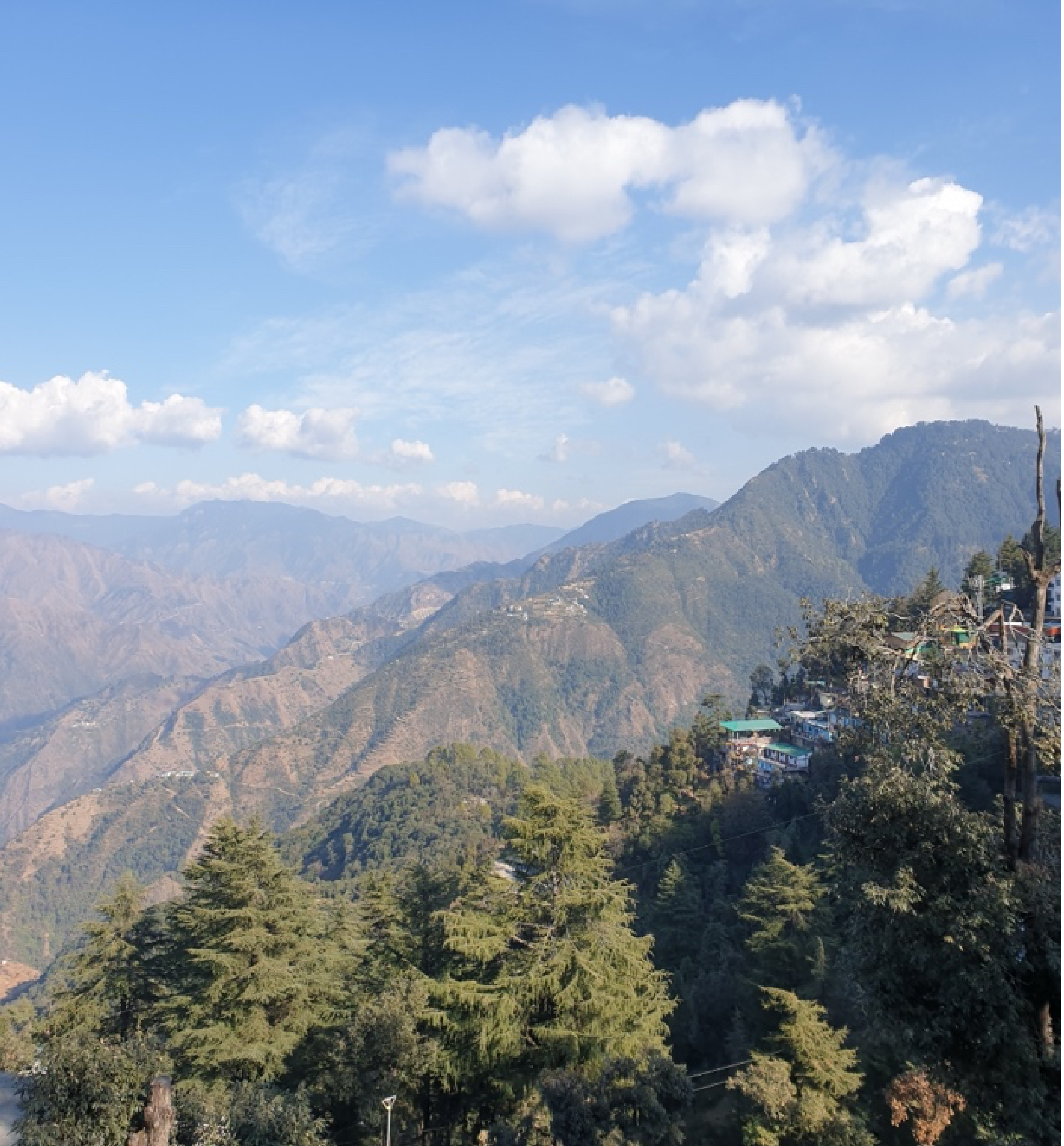
In 2014, efforts to build and maintain strategic roads in the areas along India’s border areas were ramped up. In the remote and hilly regions of the Himalayas, the roads are usually shut during the winter, and when open, the elements and the terrain often conspire to cut off access.

Most of the laborers who work on the roads are migrants from the plains. It is a matter of irony, then, that the children of those who work to improve and maintain connectivity to these remote regions have little or no access to education themselves. While most children are enrolled in the local schools, the itinerant nature of the workers’ lives leads to a large percentage of children dropping out of the schools altogether.

At Pragya, we believe that if you cannot reach the schools, then the schools must come to you. Mobile Education Units (MEUs), popularly known as ‘My School on Wheels’, are vans equipped with digital equipment, and specially designed material by the folks at Jodo Gyan.  These vans are working to improve basic literacy in these regions.


The strategy of our ‘My School on Wheels’ is multi – pronged: to operate a Basic Minimum Literacy program for children and adults, while encouraging the children to enroll in the local schools and minimizing the drop out rate. Simultaneously, Pragya is also in the process of promoting health and safety awareness among the migrant laborers. Members from Pragya act as facilitators between the employers and the laborers, conducting campaigns and holding awareness camps about basic health and safety standards. Two ‘My School on Wheels’ are already operational in Kinnaur, Himachal Pradesh and Chamoli, Uttarakhand, serving a total of 12 migrant camps in both the districts. So far, 78 sessions have been conducted and 148 children have already enrolled in the program.

6 November 2014

DEISPI workshop for educationally backward districts in India


The multi-stakeholder consultative workshop on DEISPI (Dynamic Education Information System for Planning and Improvement) ~ An Education Management & Information System for Tribal, Border, Hilly, Forested (TBHF) Districts in India was held on 5th November 2014 at India Habitat Centre, New Delhi,IndiaThe workshop was supported by USAID under the 'All Children Reading: A Grand Challenge for Development' initiative, and was conducted by Pragya India. The event shared the learnings from the successful piloting of DEISPI with stakeholders in other educationally backward TBHF districts across India, as well as at the national level, and facilitating its uptake and implementation. The event sought to draw together national, state and district level institutions, governmental and non-governmental, involved in education delivery, with particular focus on TBHF districts, as well as educationists concerned with education policy, research, teachers' training and curriculum development to fine-tune the EMIS.


Along with the Guest of Honour, Prof. Peter Ronald deSouza (Senior Fellow - Centre for Study of Developing Societies, Board Member - NUEPA) and Distinguished Guest Dr. Huma Masood (National Programme Officer - Gender & Education, UNESCO), the workshop had participation from institutions involved in education delivery, with particular focus on TBHF districts as well as educationists concerned with education policy, research, teachers’ training and curriculum development. Participation was elicited from national and international institutions such as NUEPA, ACER, SSA Missions and State Education Departments, Ministry of Tribal Affairs and Institutions (SCERTs, SIEs, DIETs), District Education Departments and institutions hailing from TBHF districts. The event also provided the opportunity for key stakeholders from the 11 piloted districts, to share their experience and concerns in implementing DEISPI

The participative process brought out the need for modification in DEISPI Tools / Process / Methods of data collection and dissemination in TBHF districts across the country. Recognising that all TBHF districts are not alike , the participants of the workshop were divided into 5 working groups: TBHF with positive socio-political status, Border/peripheral TBHF, TBHF with chronic poverty, TBHF near mainstream economy and TBHF with significant socio-cultural barriers. The Chairs presented the results of the deliberations at the end of the session. (Glimpses from the event)


  When Old Patterns Stop Making Sense: Shifts in Western Himalayan Plant Assemblages, 2020-2024 by Sudipto Majumdar, Pragya T...