Showing posts with label pragya. Show all posts

22 August 2017

Safety gear distribution to migrant construction workers

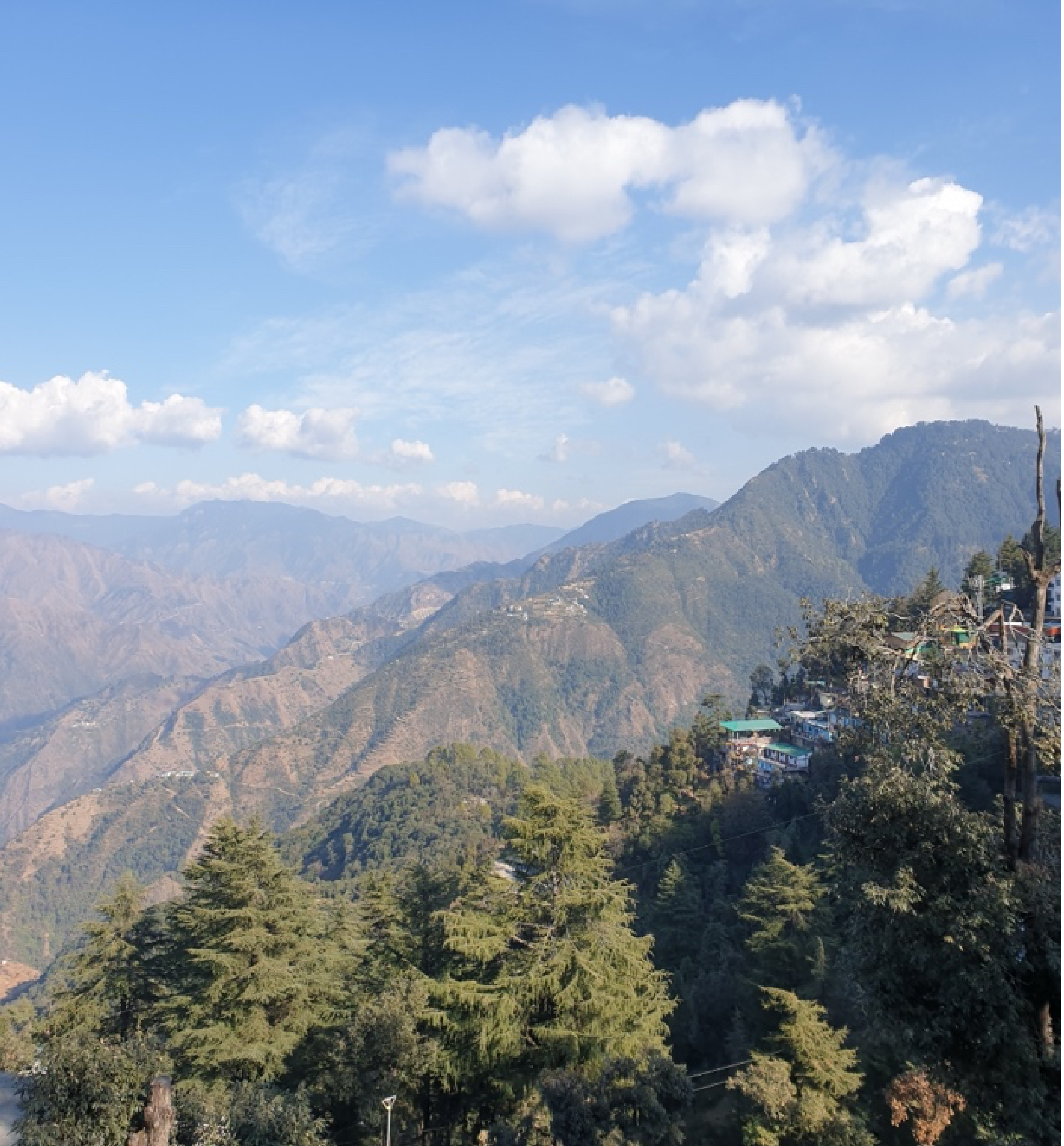
The Himalayan district of Chamoli, Uttrankhand, India is a breathtakingly beautiful place. Over the years it has become a dwelling area for migrants hailing from states like Bihar, Jharkhand and the neighboring country of Nepal.  They carry a lot of hopes and expectations to live a better life for themselves and their family. But unfortunately, safe enabling living conditions to the workers here are limited. They live in shabby, cramped, unsafe homes in unhygienic conditions, and face painfully cold and harsh weather more often than not. To add to this, they often end up working in exploitative and hazardous working conditions.
Migrants working here face more than just the physical strain but are also plagued by a variety of health implications ranging from weakness, back and joint pain to concrete burns, cuts, as well as chronic illnesses such as COPD and TB. While working, they are exposed to dust and asphalt fumes without protective clothing, naturally leading to endemic health issues including eye, heart and lung diseases. The construction workers especially women suffer through skin diseases and infections. At times children are also present at the worksites, who are more vulnerable to catch common illnesses and infections compared to adults. Unfortunately, none of the authorities are interested to hear their health concerns and provide a solution. 


We regularly face sliding rocks and mud. Many times we have suffocation and allied breathing problems due to sudden inhale of mud. To protect from mud we use homemade mask, mainly consisting of handkerchief or piece of cloth. This is insufficient as we feel suffocation after few minutes and remove them afterward. Some of us have reported coughing problems. Doctors at GREF has also advised us to wear the mask and protect from inhaling mud particles.” Says Gulu Marik, 25 years working in Malari Camp.
Pragya did a study of the hazardous work conditions and activities of the migrant workers in Chamoli. It was assessed that workers are not really provided with the necessary equipment while working in risky conditions which makes them vulnerable to various harmful health hazards as mentioned earlier. In view of that, the safety equipment distribution drive was planned, intended to reduce the mal-effects of occupational hazards and to ensure that they are able to protect themselves from other health hazards.
Pragya distributed safety kits and first aid kits to the migrant workers across six camps of migrant workers in Chamoli district of Uttarakhand. The camps covered were in Birajkund, Birahi, Surai Tota, Long, Bhapkund and Malari. The workers were trained on health and hygiene, safety and first aid.
Reaching out to and training 578 migrant workers happened in an organized way. 600 safety kits and 12 first aid kits were distributed. Workers were provided with protective gear that includes vital protective and safety equipment like helmets, gloves, along with the relevant demonstration. The first-aid kit includes the necessary health equipment and medicines in case of an injury and burns. Through a session on health and hygiene workers were made aware of health risks and the role of personal hygiene in preventing certain illnesses. Since dwelling spaces in these areas are unhygienic and open where awareness on these issues becomes a necessity. Hence workers were also informed on the symptoms, preventive and protective measures for diseases like TB and HIV. The workers many a time know the safety rules at a workplace but they seldom adopt it further risking their bodies to injuries.28-year-old Sarita Devi from Biraj Kund camp exclaimed, “We are not provided with any safety instrument while working such as helmets and gloves etc. I work along with other co-workers to remove silts, stones etc. We needed gloves and mask for my husband to protect from dust particle. Special thanks to Pragya to address our concerns, especially for helmets, gloves and masks.”
Knowing that there is a persistent lack of knowledge among migrant workers on the importance of health and access to basic health facilities, a role-play exhibited to equip the workers to be able to use the first aid kits provided to them. They were instructed on ways to stop bleeding, using first aid kit to treat minor injuries, and identifying the injuries that need a medical practitioner’s attention. Injuries related to environment and conditions like frostbite and trench foot, arising from cold and high-altitude conditions, were also given attention. This has helped these migrant workers to be self-dependent in case of health emergencies and prevent in escalating minor health problems to serious health issues.
A positive impact of the training has been seen while people adopting health and safety measures on their own where using safety equipment has become a daily habit among migrant workers in their workplace. Workers were found to be arranging equipment on their own as a ripple effect of the habit created through the project on using safety equipment while working and adopting habits of good health and hygiene in day today life.
Women were seen relieved due to the provision of gloves since earlier they were quite bothered with cooking food with their dirty and contaminated hands. Using gloves in their daily work has ensured the cleanliness and hygiene along with protection of hands from dirt, itching and infections. In Sarita Devi’s words who is 30 years old from Long camp, “During our work, we face multiple issues such as dust, mist and mud from cutting rock. Many times our fingers cut while hammering on rocks. Also, our hands get rough by putting in mixing cement and Portland. We always felt the need of First aid kit to be provided. I would thank Pragya for giving us first aid kit, having more of dressing.”

Although migration is universally a basic human right, safe living and working conditions were just a dream for these people. Pragya made an effort where it was needed most, and enabled a safe and healthy work milieu to these workers in a land where no one knows them. 

9 August 2017

How Agnes' success inspired farmers in Africa to cultivate rare medicinal herbs

Agnes can be seen in her farm
Ms. Agnes Mulimi is a 35-year old mother of four children, living in rural Kenya. She had been practicing farming for 10 years before A Pragya intervention persuaded her to cultivate medicinal plants. In 2013, when Ms. Mulimi received one and half times more money from the cultivation of Ocimum (basil) and Mondia Whitiei (gondolosia) in one acre of land, as compared to that from cultivation of traditional produce, she decided to completely switch over to the cultivation of medicinal plants. Her success is no accident.

In rural Kenya, a majority of the population is dependent on the traditional systems of medicine and locals regularly consult the ‘daktari wa mitishamba’ or traditional healers. This belief in the power of medicinal plants has endured even with the increased access to western medicine. In the streets of Nairobi, the daktaris have set up shops right alongside the doctors who practice ‘western medicine’, vying with them for their patients.

Contrary to popular belief, the traditional medicines are not cheaper than western medicine, and many rare and valuable medicinal plants are foraged from the wild. In the Kakamega rainforest, which is one of the most densely populated rural regions in the world, people from the villages regularly venture into the forest, collecting firewood and other non-timber forest produce, including medicinal plants.


Following the success of Ms. Mulimi, many other farmers in the region have also switched to cultivation of popular herbal species. Their efforts are not only helping them to improve the quality of family’s lives, but also to reduce the impact on rainforests in the region. The farmers can now better feed, clothe, and educate their children, with enough money left over to invest in livestock. For Ms. Mulimi, it is a drastic change from the situation when she struggled to pay for her children’s school fee. “I plan to rent a piece of land to increase the area under cultivation. But more importantly, the children are happy because they can afford to wear shoes to school,” says Ms. Mulimi.

26 July 2016

Bringing Digital Literacy to Kenyan schools


“We have no reason anymore not to improve our grades, because now we are better equipped, even more than our neighbouring schools who have been outperforming us” said Boniface Nakori, the head teacher of Sionta Primary School in Samburu County. The school, which was constructed in the middle of a pastoral zone, did not have many facilities, until recently. It is a similar story in the neighbouring Turkana county, where many schools do exist, but with inadequate facilities. One of the tenets of providing a basic education is accessibility, but if the education that we provide our children is to be meaningful, there has to be an equal emphasis on quality. And today, providing quality education also means ensuring that children are not left behind on the rapid strides made in the digital age.

Under its Education Resource Centre (ERC) project, Pragya conducted training across seven schools, in Samburu and Turkana counties in Northern Kenya, and provided schools with digital learning equipment and teaching learning materials (TLMs). The provision of DVDs and other materials ensures that quality education is delivered to the students. In many schools, the system was already in operation for sometime now, and the feedback from the students was enthusiastic. In the Kapua Primary School, the TVs had been linked with satellite television, enabling the school to tune into education programs. Mrs. Kerio, a guidance and counseling teacher in Nakwamekwi School, found the material useful in teaching the students about sex education, especially the symptoms and effects of various sexually transmitted diseases. The teachers found the materials immensely helpful in teaching science subjects that tend to require a lot of illustrations, which was made easy; and in some instances, the project helped the students who had never used laptops to do so. One of the outcomes of the project is that it familiarizes the students with digital materials, providing them with the necessary skills and confidence to function in the digital age.


20 July 2016

Engendering Change - Himachal's first solar wind power plant


A recent agreement signed between the Himachal Pradesh State Electricity Board and Solar Energy Corporation of India (SECI) will see a 2.5MW solar-wind hybrid power project being set up at Rangrik, Kaza in Lahaul & Spiti district of Himachal Pradesh in India. The solar – wind hybrid plant, to be commissioned by 2017, is part of an attempt by India to transform its energy sector. In the recently concluded Paris Climate change agreement, India has agreed to generate 40% of its total energy from renewable sources by 2030.  By 2022, India is looking to add 175,000 MW of clean energy, of which solar and wind energy are estimated to constitute 10500 and 52500 MW, or 90% of the total output.

Besides the ostensible benefits of clean energy, localized energy generation has a huge impact on the lives of people living in remote rural communities, where reaching traditional grid based power is a challenge.  Pragya’s foray into providing clean energy to the people in remote communities was through a pilot solar – wind hybrid system in Lossar and Youche villages in Lahaul & Spiti, and the Shyaso village in Kinnaur, both in Himachal Pradesh. Lahaul and Spiti is part of the larger cold desert region in the Himalayas, a sparsely populated region with a huge renewable energy potential.

As part of our efforts to increase the use of renewable energy in the area, Pragya worked closely with the village members and district officials, training the people in the use of renewable energy technologies, and using the pilot project to encourage more districts to use renewable energy to generate electricity. As part of the advocacy efforts, at the national level, we organised a workshop on “Accelerating Renewable Energy Deployment in Rural Himalayas” in July 2015, at the India Habitat Centre, New Delhi. Dr. Ashvini Kumar, the Managing Director, Solar Energy Corporation of India (SECI) was the chief guest of the event.


5 July 2016

Empowering the Hinterlands - An Update


In ancient times, a scapegoat was an animal on whose back the sins of a community were placed, and was cast out in the desert, which is where the term scapegoating comes from. One of the forms in which this practice continues to live, is witch hunting, still prevalent in parts of India today. In the hinterlands of the country, it is convenient for the community to transfer its misfortunes on those already at the margins: widows, unmarried or old women.

According to the most recent report of the National Crime Records Bureau (NCRB, 2014), out of the 156 murder cases relating to ‘witchcraft’ reported in the country, 47 were from Jharkhand.  The report does not include cases of violence not resulting in murder or the social death that the victims accused of witchcraft suffer. Witch-hunting is mainly used as a pretext for rape or grabbing property, but sometimes illness or sudden death of people or livestock can also trigger the anger of the community.


Speaking at the inauguration of the Pragya Sashaktikaran Kendra – Empowerment Centre (EC) – in Ranchi, Dr Mahua Manji, Chairperson of Jharkhand State Women’s Commission, said, “witch-hunting mainly occurs due to health issues in the community”.

In the rural areas of Jharkhand and other states, people rely heavily on Ojhas, or spiritual healers or exorcists, in spite of the presence of Primary Healthcare Centres. A lack of understanding of basic health issues and formal healthcare contributes to high mortality rate from diseases, and the Ojhas, with no formal training in medicine, are often the ones to brand and therefore instigate the violence against the ‘witches’.

Punam Toppo, a social activist who has been campaigning to prevent Violence Against Women (VAW) for more than a decade, has felt the effect of this violence first hand. Her grandmother, under whose care she grew up after her parents passed away, was accused of being a witch; the family was designated a social outcast and was forced to move out of the village. Ms. Toppo is associated with the Association for Social and Human Awareness (ASHA), which works for the empowerment of women in the grassroots. Pragya has partnered with ASHA in Jharkhand, and together we have formed Women’s Peer Groups (WPGs) in 10 villages in Ranchi district, raising awareness about the basic issues of health, nutrition and women’s rights.


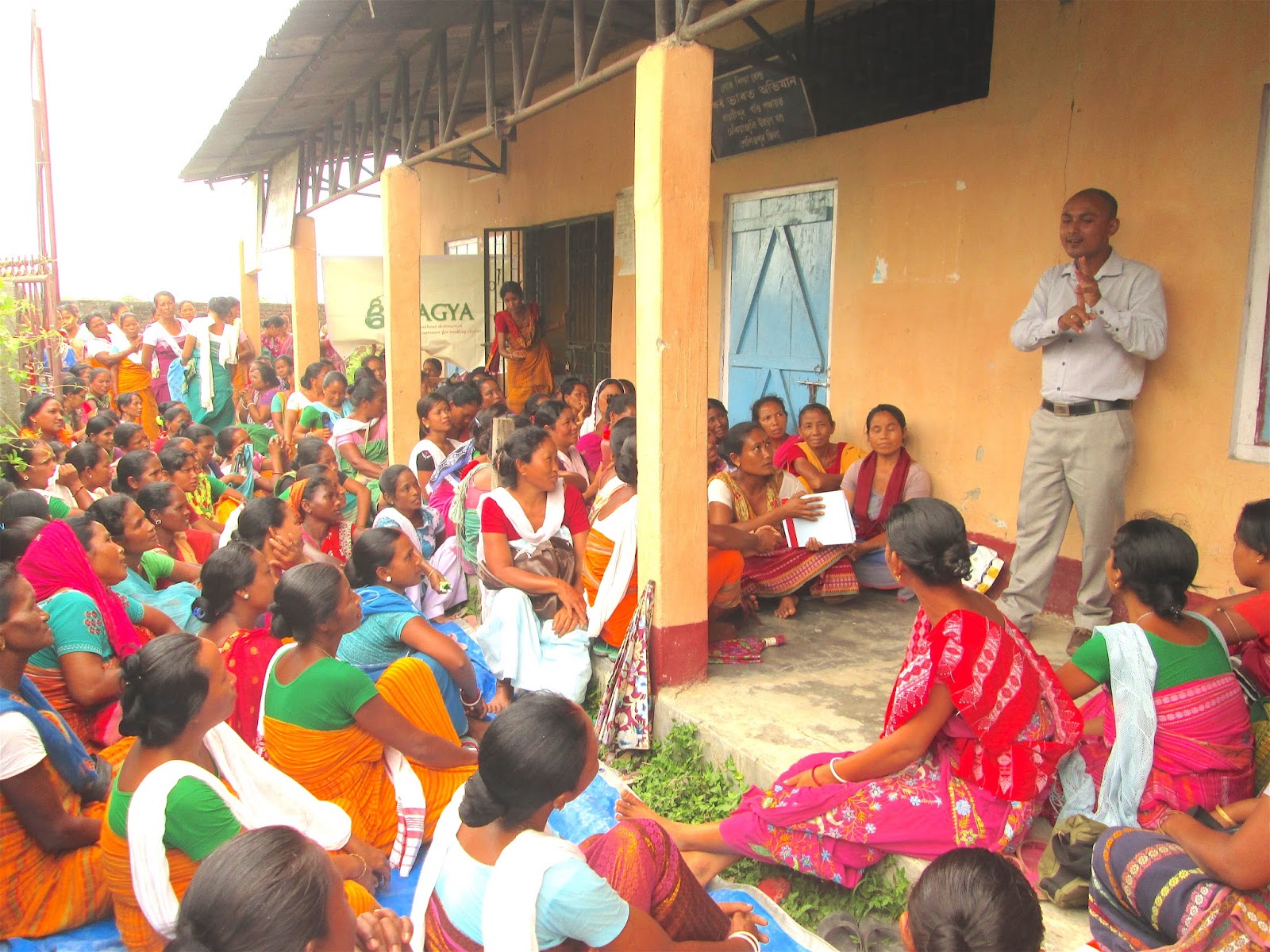
Pragya has also established an Empowerment Centre in Tezpur in Soniptur district of Assam. The state, which passed legislation against witch hunting in 2015, has been in the news for the high prevalence of witch hunting practices. Our project in Sonitpur covers a total of 10 villages in the Dekhiajuli and Chariduari blocks. The formation of the WPG in Batachipur village saw the participation of upwards of 100 women. We received an enthusiastic response from Ghargra Kachari, Gormara Kachari, and Shantipur villages in Dekhiajuli block and Bogijuli village in Chariduari block.


Pragya has expanded its presence to Jharkhand and Assam with the establishing of these ECs and will be moving to include Bihar shortly. This is part of a joint project with the UN Trust Fund to End Violence Against Women (UNTF), and will cover ten districts in five states of Assam, Bihar, Jharkhand, Himachal Pradesh and Rajasthan.

21 June 2016

3rd Anniversary of the Uttarakhand floods


17 June marked the third anniversary of the Uttarakhand floods that killed more than 5000 people and left the infrastructure of the state in shambles. The intensity of the floods was such that the state government has not been able to arrive at a number of ‘official’ deaths in the disaster, with many families of the deceased yet to receive a death certificate.

In the aftermath of the disaster, a report by the National Institute of Disaster Management (NIDM) has indicated that unregulated construction of dams in the Alaknanda and Mandakini basins, along with adverse weather conditions, could have led to the flooding.  Human intervention is increasingly seen to be the cause of disasters in the Uttarakahand, with recent reports that the fire in April 2016 leading to a large-scale destruction of trees and forest cover could have been man made.

Despite the widespread destruction of infrastructure and huge toll of the floods in the state, there are signs of recovery: people are making their way back to the pilgrimage site of Kedarnath, and the ‘Valley of flowers’, a popular tourist destination, opened to the public for the first time in 3 years. There are untold stories of the strength and resilience of survivors in the face of calamity, everyday individuals building their lives from scratch, after they saw it washed away three years ago.

Pragya has been working to rehabilitate the livelihoods of the people in the areas that are worst affected by the floods, by providing the people with alternate sources of income, in a state whose economy is geared toward revenue from tourism. We are also piloting a grassroots, citizen - led early warning system to be implemented in the districts of the Uttarakhand in the coming year. 3 years on, we remember all the people who lost their lives in this tragedy, and the lessons remain clear: concerted conservation efforts and minimizing human intervention in the environment are a necessity if we are to avoid tragedy on such a scale in the near future.

  When Old Patterns Stop Making Sense: Shifts in Western Himalayan Plant Assemblages, 2020-2024 by Sudipto Majumdar, Pragya T...