8 May 2013

Community Resource Centre in Humla

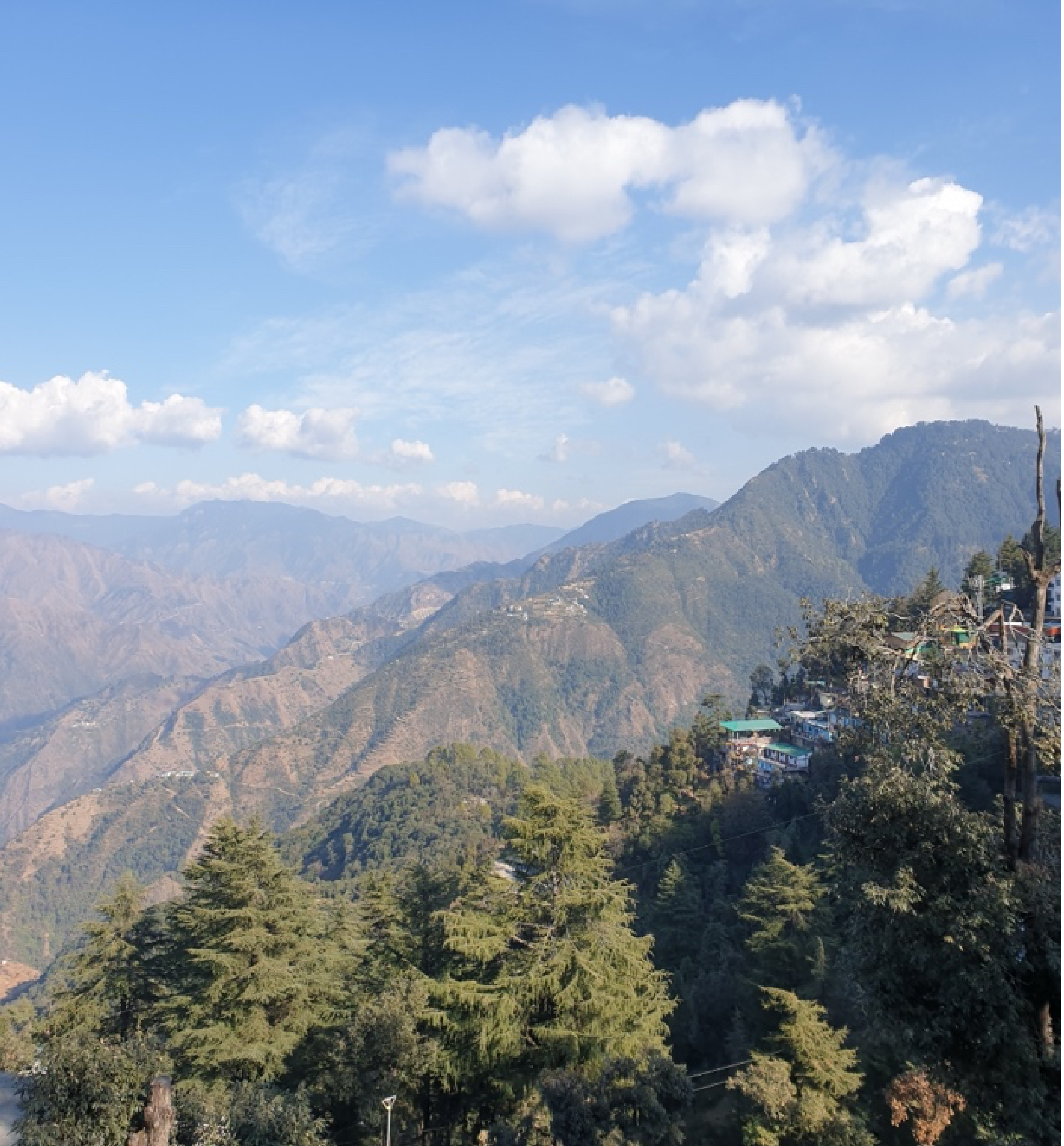
A Rural Library was inaugurated for a cluster of villages in Humla district. The resource centre stocked with a wide variety of learning resources for all age-groups, computers and audio-visual learning aids was heartily appreciated by the parents and children present at the event.

(Photographs from Nepal Himalayas)

11 April 2013

Greening the flood affected catchments

The 2010 flashflood in Leh caused unprecedented loss of life and property. After relief operations, Pragya concentrated its efforts in livelihood rehabilitation. The women of Ney, Nang, Umla, Chaksa, Hanu Yogma, Igoolankur, Taru, Stambardo villages under guidance of Pragya’s Thematic Specialists have been working towards rebuilding their lives. Ms. Sonam Yandol, Ms. Dechen Dolma and others have reclaimed over 7 acres of land to set up fodder farms and woodlots in their villages. The early gains have been visible within just 5 months, reducing the physical stress on women. An inspired Ms. Yangdol announces, “next year we will double the area under fodder farm”. Such endeavors have benefited around 200 households in Leh so far.

20 March 2013

Consultations for Citizen-based DRR model

In remote and difficult access stretches of high altitude Himalayas, why do we need a DRR model that can be operated by the community members? As the harsh winters immobilised the transport and communication networks across the Himalayan mountain range, the need and significance of such system became more evident. The need for a decentralised, self-sufficient system for real-time information on local environment to aid community preparedness in remote villages cut-off from mainstream during extreme weather conditions, was stressed time and again, as the Pragya team struggled to gain access in difficult access areas and the stakeholders braved the harsh winter often well below freezing points to come together for the grassroots workshops. Pragya concluded its last leg of consultative workshops with two consecutive events in Tawang and West Kameng in the Eastern Himalayas. Consultations are underway with national level experts, through to pool in knowledge and good practices regarding community based DRR models and relevant ICT technologies. (Read more about this project)

18 March 2013

Advocacy to address violence against women

Pragya submitted a written statement for the 57th Session of the Commission on the Status of Women (4-15 March 2013) as a non-governmental organization with special consultative status with UN Economic and Social Council. The document (view here) highlights the concerns regarding violence against women in the Himalayas (South Asia) and in arid and semi-arid lands (sub-Saharan Africa).

14 March 2013

Peer group support for Himalayan women

As a part of Pragya’s initiative to maternal and neonatal child health, the Women’s Care Groups are being created in remote Himalayan villages to cater to health and well-being of women in the reproductive age, both physical and psychological, and health benefits for girls and young children (0-4 years) as well. 120 of such peer groups have been formed so far. Tribal women in the Himalayas display very high MMR; newborns in the Himalayas suffer from the start, with difficult birth conditions and low birth weight; infections and neonatal diseases often follow due to inappropriate practices. The Himalayan region is characterised by remoteness and inadequate health infrastructure. Lack of access to professional assistance and care during pregnancy and delivery is a major cause of maternal mortality for women in the Himalayas. Women’s Care Groups in villages would render wrap-around support and care to women, from the stage of planning their pregnancy, ANC, right through the process of delivery and on to PNC, including care of new mothers and newborn, and childcare. (Read more...)

12 February 2013

Pictorial Embroidery of Chamba Rumals

Chamba – a northwestern district in Himachal Pradesh is particularly famous for its unique and charming embroidered rumals. The word ‘rumal’ means handkerchief, however the Chamba Rumals are not mere handkerchiefs; they play a significant role in various social occasions in the region. This beautiful form of embroidery, done on handspun cloth with silk threads, is greatly inspired by the different pahari paintings (mountain paintings).

The origin of this art form can be traced back to 17th - 18th century in the former Chamba state. Traditionally, it is a custom to gift these beautifully embroidered rumals as a part of the wedding trousseau. Also, these are used for wrapping gifts or covering gifts, placed on trays and baskets, on special occasions as weddings, festivals or fairs. Hence, wedding scenes is a popular theme in the designs. It was considered an integral part of the dowry without which a wedding ceremony was incomplete. Even today it plays an important part of the wedding trousseau and sometimes it is also used for wrapping gifts and presenting during important social occasions. Men and women wear these beautifully embroidered rumals on their shoulders and the more delicate and intricate designs on the rich cloth are seen as a symbol of status.

Creating a Chamba rumal: The cloth used to make Chamba Rumals is mostly unbleached cotton (khaddar) or fine muslin cloth, which is off-white in color; the light-coloured off-white base is important for highlighting the vibrant silk threads used in the embroidery. The artist first visualizes the theme and draws the initial outline of the design with charcoal on the cloth. During this stage the artist also decides the colors that will be used for filling up the designs. The actual embroidery is done by the womenfolk who follow the outlines drawn by the miniature artist.

The designs used are highly inspired by the miniature pahari paintings and consist of vibrant motifs and designs, which include birds, animals, decorative plants and flowers that form an important part of this visual handicraft. The designs and motifs are carefully laid down to form beautiful compositions, which are then filled in with untwisted silk threads, also called ‘pat’. The commonly used colors in a Chamba rumal are purple, bright pink, carmine, deep red, orange, brown, shades of green, yellow, blue along with black and white. In some of the old rumals, silver wire or ‘tilla’ can also be found.

One of the unique features of the Chamba rumals is that the design can be viewed from both sides and there is no backside. For this a unique form of stitching, the ‘do-rukha’ or the double-satin stitch is mainly used. It is usually not found in other forms of traditional Indian embroidery; the ‘do-rukha’ or the double-satin stitch gives an even finish on both sides with no visible knots. A simple stitch with a black silk thread, the ‘dandi tanka’ or the stem stitch is finally used to outline the designs. This is characteristic of the Chamba rumal embroidery. An important part of the pahari painting is the fine black outline; similarly the black silk thread is used in the embroidery to give the effect of a pahari painting. Apart from these, other form of stitches like the buttonhole stitch, cross-stitch, long and short stitch, herring bone stitch along with pattern darning is also used. The result is a flat and smooth finish that gives the embroidery the look of a miniature painting.

This art form emulates the creative expressions and the innermost feelings of the womenfolk in Chamba. This magnificent art and the skill associated with it is slowly fading away and efforts are being made to re-examine their marketing strategy and new markets and methods of distribution, in an effort to promote the artistic, social and cultural worth of this art and revive the culture.

31 January 2013

Health camp in Urgam Valley

As part of its healthcare initiatives in remote high altitude villages, Pragya conducted health camps today in collaboration with doctors from Civil Hospital at Layari and Aroshi villages of Urgam valley, benefitting over 140 individuals. The initiative is striving to address the critical need for reproductive healthcare for women in the Himalayan region and improving healthcare access in remote villages.

  When Old Patterns Stop Making Sense: Shifts in Western Himalayan Plant Assemblages, 2020-2024 by Sudipto Majumdar, Pragya T...